Java CompletableFuture 完全指南:从入门到最佳实践
# Java CompletableFuture 完全指南:从入门到最佳实践
一、引言:为什么需要 CompletableFuture
Java 5 引入的 Future 接口为异步编程打开了大门,但它存在明显的局限性:
阻塞获取结果:
future.get()会阻塞当前线程,无法实现真正的异步回调无法手动完成:不能在外部设置计算结果
缺乏任务编排能力:多个 Future 之间无法链式组合、依赖串联
异常处理简陋:只有
get()抛出受检异常,无法优雅地处理异常流
// 传统 Future 的痛点
ExecutorService executor = Executors.newFixedThreadPool(1);
Future<Integer> future = executor.submit(() -> {
    Thread.sleep(2000);
    return 42;
});
// 主线程被阻塞,直到计算完成
Integer result = future.get(); // 阻塞!
System.out.println("结果:" + result);
Java 8 引入的 CompletableFuture 彻底改变了这一局面。它同时实现了 Future 和 CompletionStage 接口,提供了 60 多个方法 用于异步任务的创建、组合、编排和异常处理,让异步编程流畅且富有表现力。
二、核心概念:CompletionStage 与异步流水线
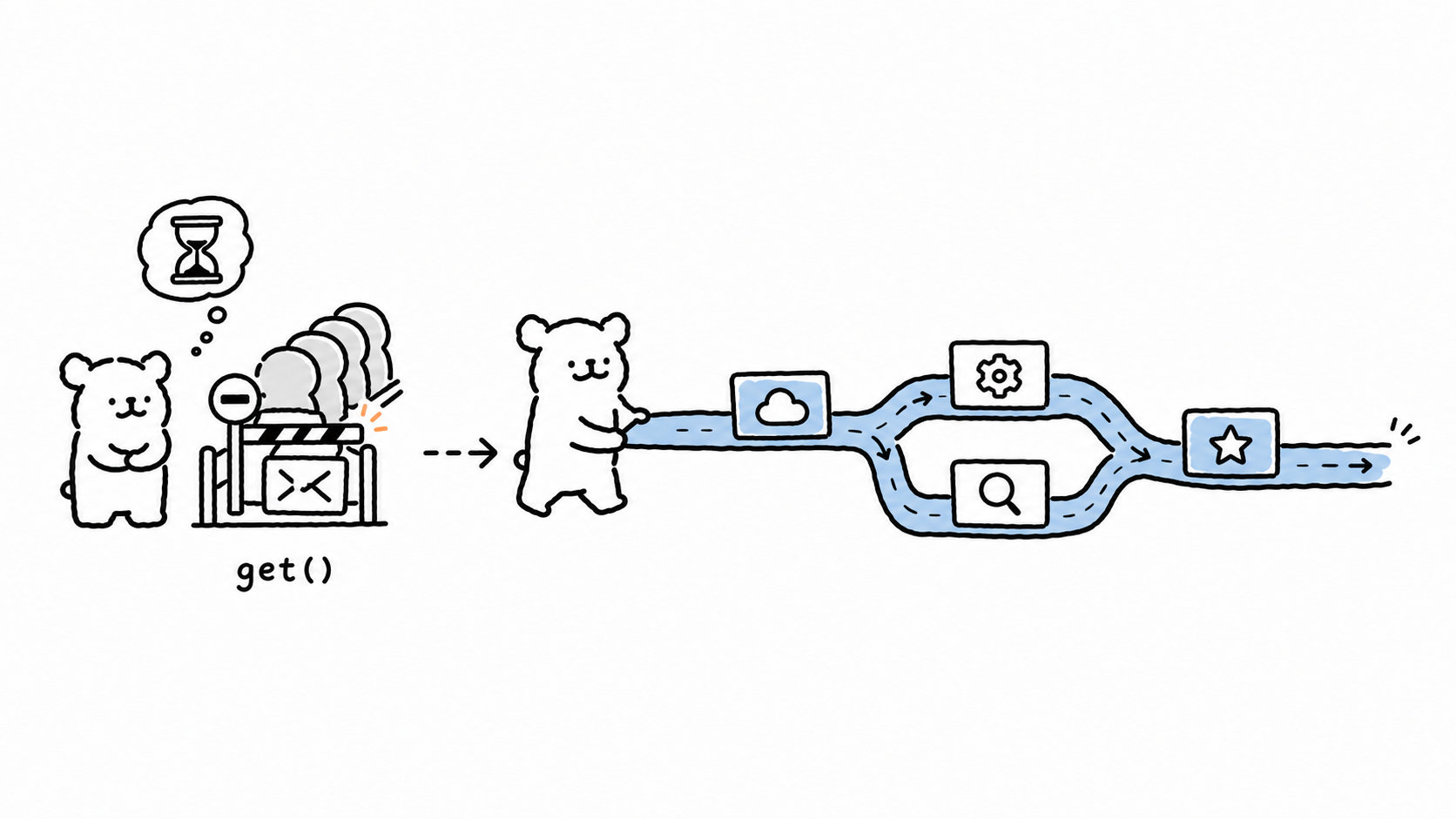
CompletableFuture 实现了 CompletionStage<T> 接口,定义了一套构建异步流水线的协议。核心理念是:每个 CompletionStage 代表一个异步计算步骤,各步骤之间可以串行、并行、条件跳转,形成一张有向无环图(DAG)。
关键思想:
三、创建 CompletableFuture
3.1 runAsync — 无返回值
CompletableFuture<Void> cf = CompletableFuture.runAsync(() -> {
    System.out.println("异步任务执行中:" + Thread.currentThread().getName());
});
3.2 supplyAsync — 有返回值
CompletableFuture<String> cf = CompletableFuture.supplyAsync(() -> {
    // 耗时操作(如数据库查询、远程调用)
    return "Hello CompletableFuture";
});

// 获取结果(阻塞)
String result = cf.join(); // 与 get() 类似,但抛出 Unchecked 异常
3.3 completedFuture — 直接返回已知结果
CompletableFuture<String> cf = CompletableFuture.completedFuture("已完成");
// 适用于适配已有同步结果到异步接口的场景
四、任务编排
4.1 thenApply — 转换结果
对上一个阶段的结果进行转换,返回新值,类似 Stream 的 map:
CompletableFuture<String> future = CompletableFuture
    .supplyAsync(() -> 10)
    .thenApply(num -> num * 2)             // 10 -> 20
    .thenApply(num -> "结果:" + num);      // 20 -> "结果:20"

System.out.println(future.join()); // 输出:结果:20
4.2 thenAccept — 消费结果
接收结果但不返回新值(终端操作):
CompletableFuture
    .supplyAsync(() -> "数据加载完成")
    .thenAccept(result -> System.out.println("收到:" + result));
4.3 thenRun — 不关心上游结果
在上游完成后执行一段逻辑,不接收也不返回结果:
CompletableFuture
    .supplyAsync(() -> "处理完成")
    .thenRun(() -> System.out.println("收尾工作..."));
4.4 thenCompose — 扁平化组合
当一个异步任务依赖另一个异步任务时使用,避免出现 CompletableFuture<CompletableFuture<T>> 的嵌套:
// ❌ 错误示范:thenApply 返回嵌套的 CompletableFuture
CompletableFuture<CompletableFuture<String>> nested =
    CompletableFuture.supplyAsync(() -> 1)
        .thenApply(num -> fetcher.fetchAsync(num)); // 嵌套!

// ✅ 正确做法:thenCompose 自动扁平化
CompletableFuture<String> flat =
    CompletableFuture.supplyAsync(() -> 1)
        .thenCompose(num -> fetcher.fetchAsync(num)); // 扁平化为 CompletableFuture<String>
4.5 thenCombine — 合并两个独立任务
CompletableFuture<String> cf1 = CompletableFuture.supplyAsync(() -> "Hello");
CompletableFuture<String> cf2 = CompletableFuture.supplyAsync(() -> "World");

CompletableFuture<String> combined = cf1.thenCombine(cf2, (r1, r2) -> r1 + " " + r2);
System.out.println(combined.join()); // Hello World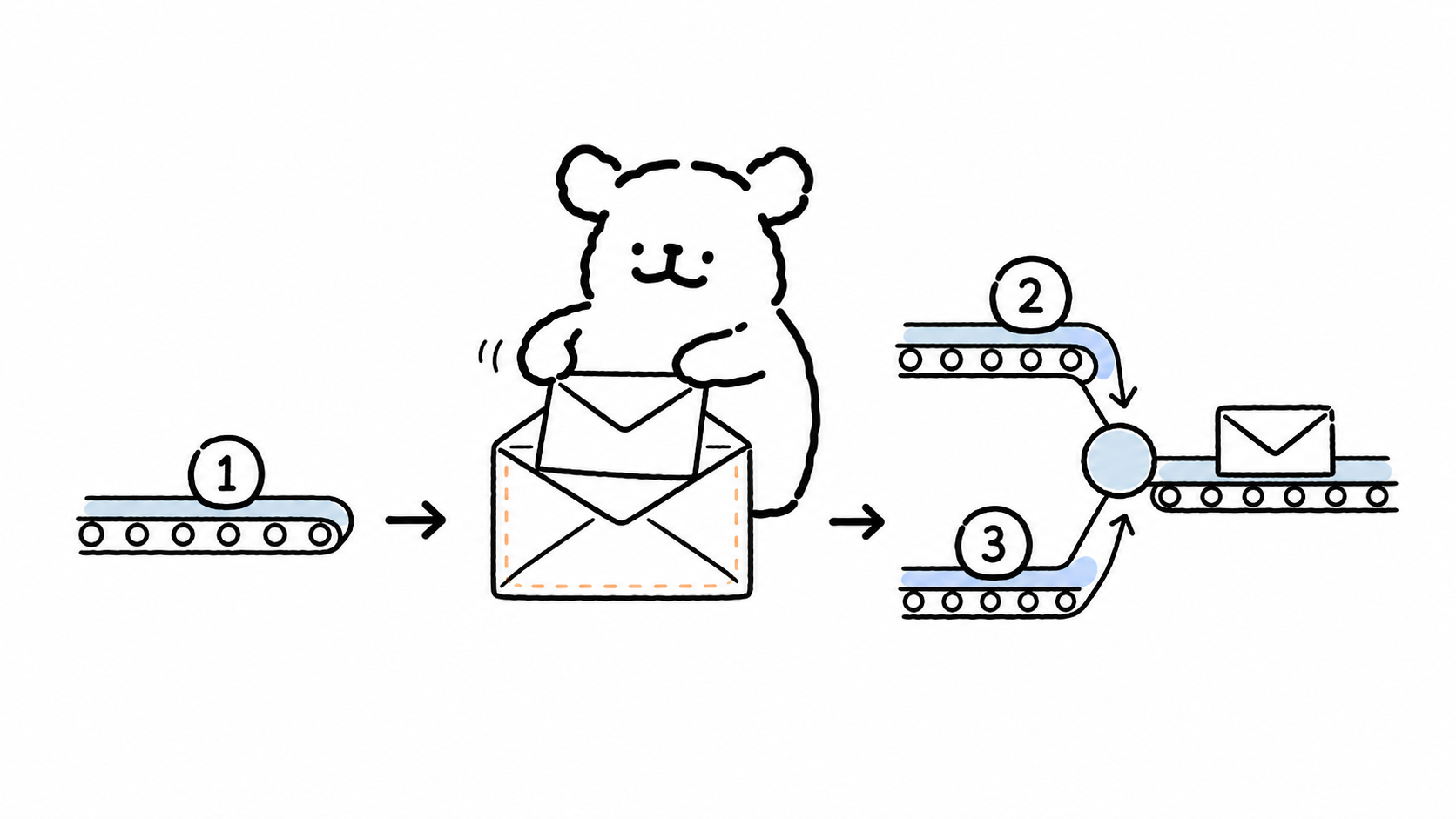
五、异常处理
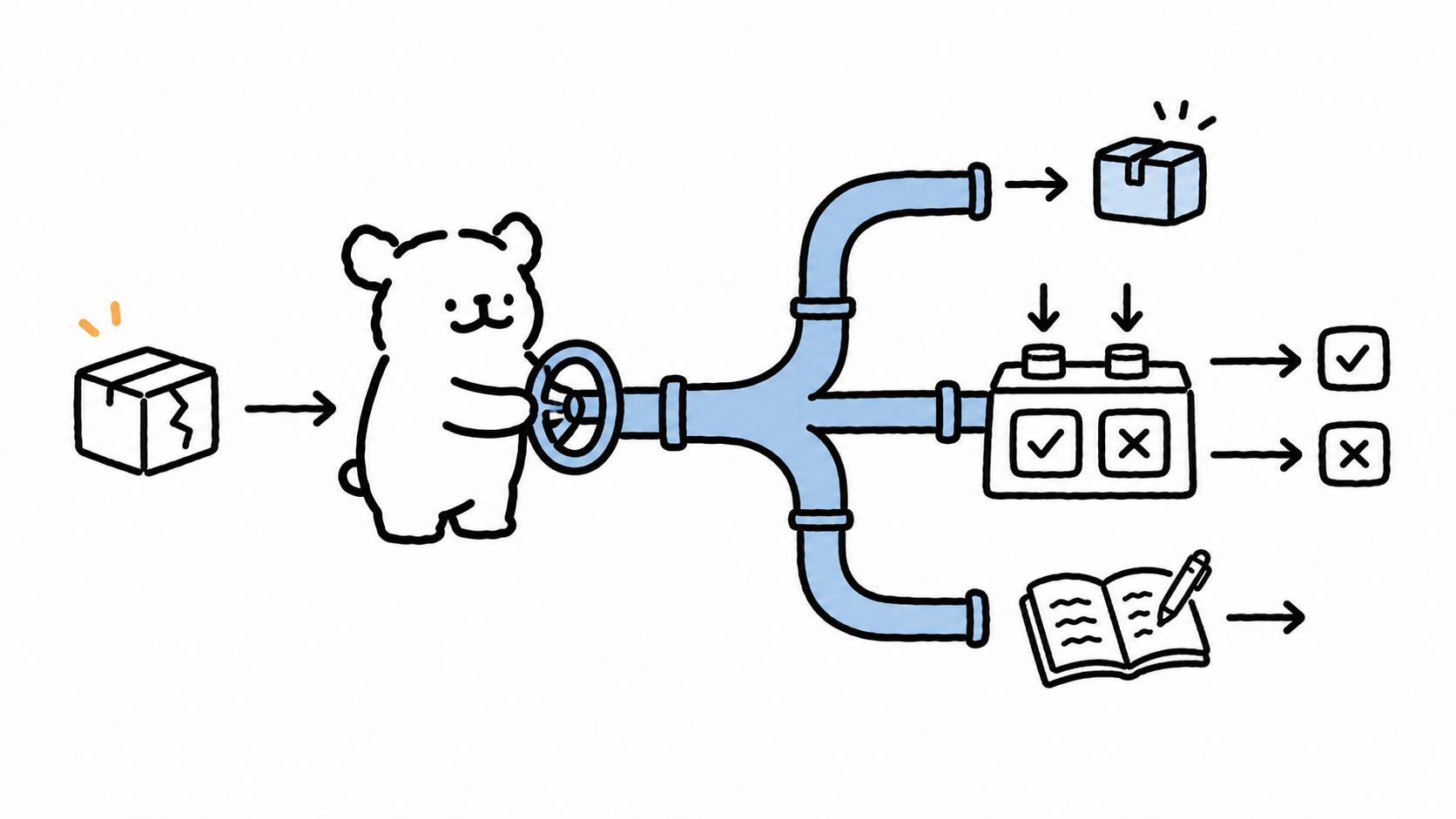
5.1 exceptionally — 异常恢复
仅捕获异常,返回默认/兜底值:
CompletableFuture<String> safe = CompletableFuture
    .supplyAsync(() -> {
        if (Math.random() > 0.5) throw new RuntimeException("服务超时");
        return "正常结果";
    })
    .exceptionally(ex -> {
        System.err.println("出错了:" + ex.getMessage());
        return "兜底数据"; // 恢复为兜底值
    });

System.out.println(safe.join());
5.2 handle — 统一处理结果与异常
无论成功还是失败都会执行,通过 BiFunction<T, Throwable, U> 处理两种路径:
CompletableFuture<String> result = CompletableFuture
    .supplyAsync(() -> {
        if (Math.random() > 0.5) throw new RuntimeException("网络抖动");
        return "正常";
    })
    .handle((data, ex) -> {
        if (ex != null) {
            System.err.println("异常:" + ex.getMessage());
            return "兜底";
        }
        return data.toUpperCase();
    });

System.out.println(result.join()); // 正常 → "正常",异常 → "兜底"
5.3 whenComplete — 副作用记录
不改变流水线结果,仅用于日志、指标打点等副作用:
CompletableFuture
    .supplyAsync(() -> "业务数据")
    .whenComplete((data, ex) -> {
        if (ex != null) {
            System.err.println("任务异常:" + ex.getMessage());
        } else {
            System.out.println("任务完成,结果:" + data);
        }
    });
// 注意:whenComplete 不会吞掉异常,下游仍会感知
5.4 三者对比
六、多任务组合
6.1 allOf — 等待全部完成
CompletableFuture<String> cf1 = CompletableFuture.supplyAsync(() -> "A");
CompletableFuture<String> cf2 = CompletableFuture.supplyAsync(() -> "B");
CompletableFuture<String> cf3 = CompletableFuture.supplyAsync(() -> "C");

// allOf 返回 CompletableFuture<Void>,需手动收集结果
CompletableFuture<Void> all = CompletableFuture.allOf(cf1, cf2, cf3);
all.join(); // 阻塞等待全部完成

System.out.println(cf1.join() + cf2.join() + cf3.join());
更优雅的收集方式:
List<String> results = Stream.of(cf1, cf2, cf3)
    .map(CompletableFuture::join)
    .collect(Collectors.toList());
6.2 anyOf — 等待任一完成
竞速场景:多个搜索源并行请求,返回最快结果:
CompletableFuture<String> source1 = CompletableFuture.supplyAsync(() -> {
    sleep(1000); return "结果来自源1";
});
CompletableFuture<String> source2 = CompletableFuture.supplyAsync(() -> {
    sleep(300); return "结果来自源2";
});

CompletableFuture<Object> race = CompletableFuture.anyOf(source1, source2);
System.out.println(race.join()); // 源2 因其较快而胜出
七、线程池管理
7.1 默认 ForkJoinPool 的坑
CompletableFuture 如果不指定线程池,默认使用 ForkJoinPool.commonPool()。这是一个 JVM 级别共享 的线程池,线程数默认为 CPU 核心数 - 1:
// ❌ 隐患:所有异步任务都争抢同一个线程池
CompletableFuture.supplyAsync(() -> blockingCall()); // 阻塞 commonPool 线程!风险:当任务中包含 I/O 阻塞、长时间计算或死锁时,会耗尽 commonPool,导致整个 JVM 中依赖 commonPool 的 parallelStream() 等全部瘫痪。
7.2 自定义线程池最佳实践
// ✅ 为不同业务场景使用独立线程池
Executor ioExecutor = Executors.newFixedThreadPool(10, r -> {
    Thread t = new Thread(r, "IO-Worker");
    t.setDaemon(true); // 守护线程,JVM 退出时自动回收
    return t;
});

CompletableFuture<String> ioTask = CompletableFuture.supplyAsync(() -> {
    // 远程调用或数据库查询
    return remoteApiCall();
}, ioExecutor); // 显式传入线程池

// 关键原则:始终显式传入 Executor,避免隐式依赖 commonPool
7.3 线程池选型建议
八、超时控制
Java 9 引入了超时感知方法:
// orTimeout:超时后抛出 TimeoutException
CompletableFuture<String> withTimeout = CompletableFuture
    .supplyAsync(() -> {
        sleep(5000);
        return "结果";
    })
    .orTimeout(2, TimeUnit.SECONDS);

// completeOnTimeout:超时后使用默认值完成
CompletableFuture<String> withFallback = CompletableFuture
    .supplyAsync(() -> {
        sleep(5000);
        return "正常结果";
    })
    .completeOnTimeout("超时兜底", 2, TimeUnit.SECONDS);

System.out.println(withFallback.join()); // 输出:超时兜底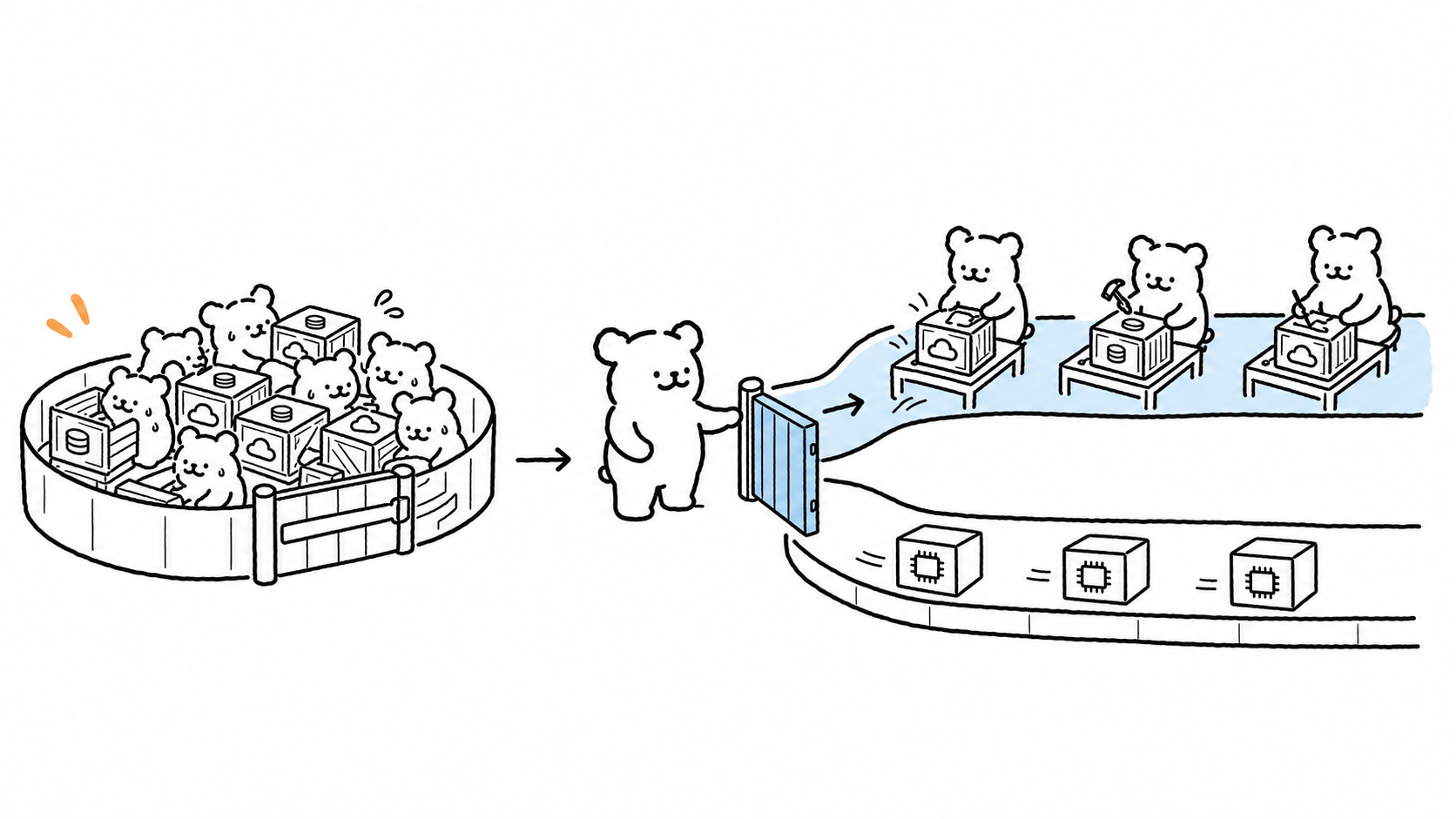
九、实际案例
案例 1:多源商品价格聚合
综合多个供应商查询同一商品的报价,返回最低价:
public class PriceAggregator {
    private final Executor executor = Executors.newFixedThreadPool(10);

    public Price getBestPrice(String productId) {
        // 并行查询 3 个供应商
        CompletableFuture<Price> supplierA = CompletableFuture
            .supplyAsync(() -> querySupplierA(productId), executor);
        CompletableFuture<Price> supplierB = CompletableFuture
            .supplyAsync(() -> querySupplierB(productId), executor);
        CompletableFuture<Price> supplierC = CompletableFuture
            .supplyAsync(() -> querySupplierC(productId), executor);

        // 等待所有供应商返回,取最低价
        return CompletableFuture.allOf(supplierA, supplierB, supplierC)
            .thenApply(v -> Stream.of(supplierA, supplierB, supplierC)
                .map(CompletableFuture::join)
                .min(Comparator.comparing(Price::getAmount))
                .orElseThrow(() -> new RuntimeException("无可用报价")))
            .exceptionally(ex -> {
                System.err.println("聚合失败:" + ex.getMessage());
                return Price.FALLBACK; // 兜底价
            })
            .join();
    }
}
案例 2:带缓存与超时的数据加载
先从缓存查询,缓存未命中则异步加载远程数据,同时加上超时兜底:
public class DataLoader {
    private final Cache<String, User> cache;
    private final Executor ioExecutor;

    public User loadUser(String userId) throws Exception {
        // 1. 缓存命中直接返回
        User cached = cache.get(userId);
        if (cached != null) return cached;

        // 2. 异步从远端加载,1 秒超时
        User user = CompletableFuture
            .supplyAsync(() -> remoteDatabaseQuery(userId), ioExecutor)
            .completeOnTimeout(User.defaultUser(), 1, TimeUnit.SECONDS)
            .handle((data, ex) -> {
                if (ex != null) {
                    System.err.println("加载失败:" + ex.getMessage());
                    return User.defaultUser();
                }
                // 3. 写入缓存
                cache.put(userId, data);
                return data;
            })
            .join();

        return user;
    }
}
十、最佳实践总结
推荐做法
始终指定线程池:不要依赖
commonPool(),为不同场景(I/O、CPU 密集)使用独立线程池方法链保持简洁:单条链不宜过长(通常不超过 5-6 步),复杂逻辑抽成独立方法
异常必有归宿:每条流水线末尾加上
exceptionally或handle,避免静默丢异常thenCompose 处理依赖:有先后依赖的异步调用用
thenCompose,避免嵌套join > get:在流水线内部使用
join()避免受检异常中断链式调用超时设置:外部服务调用务必设置
orTimeout或completeOnTimeout
常见反模式
结语
CompletableFuture 是 Java 异步编程领域最重要的工具之一。它用声明式 API 替代了繁琐的回调地狱,用链式组合替代了线程间的复杂协调。掌握本文的核心技巧——任务编排、异常处理、线程池隔离、超时控制——可以让你写出更健壮、更优雅的异步代码。
在日常开发中,建议结合项目实际不断打磨使用习惯:为每个异步调用想清楚"超时怎么办"、"异常怎么办"、"线程池用哪个",这三个问题就能覆盖 80% 的坑。